

Gallbladder Issues: Are You at Risk for Gallstones?

When you begin a GLP-1 or GIP/GLP-1 treatment, most of the focus is on appetite, digestion, and weight. But there’s another area of your body that can sometimes be affected — the gallbladder.
Some people may develop gallstones or feel gallbladder-related discomfort during their journey. While this doesn’t happen to everyone, it’s worth knowing the signs and what you can do to stay ahead of it.
Why does this happen?
GIP/GLP-1 medicines like tirzepatide help with weight management in part by slowing digestion and reducing appetite. When weight changes quickly, or when digestion shifts pace, the way bile flows in the gallbladder may also change. This can sometimes lead to stones forming, or flare-ups if stones were already present.
What to watch out for
Gallbladder trouble often shows up as:
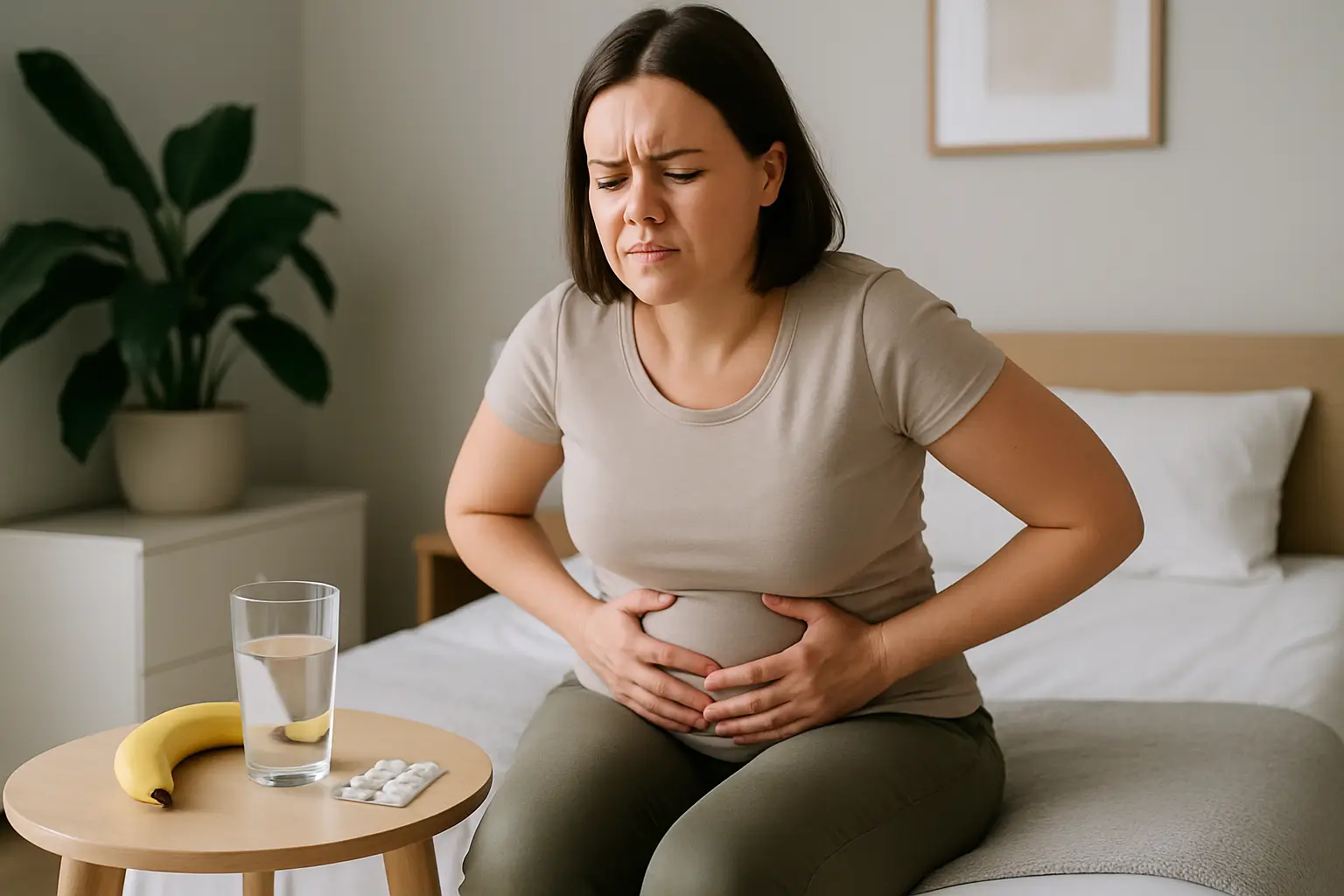
- Pain in the upper right side of the abdomen (especially after fatty meals)
- Pain that radiates to the back or shoulder
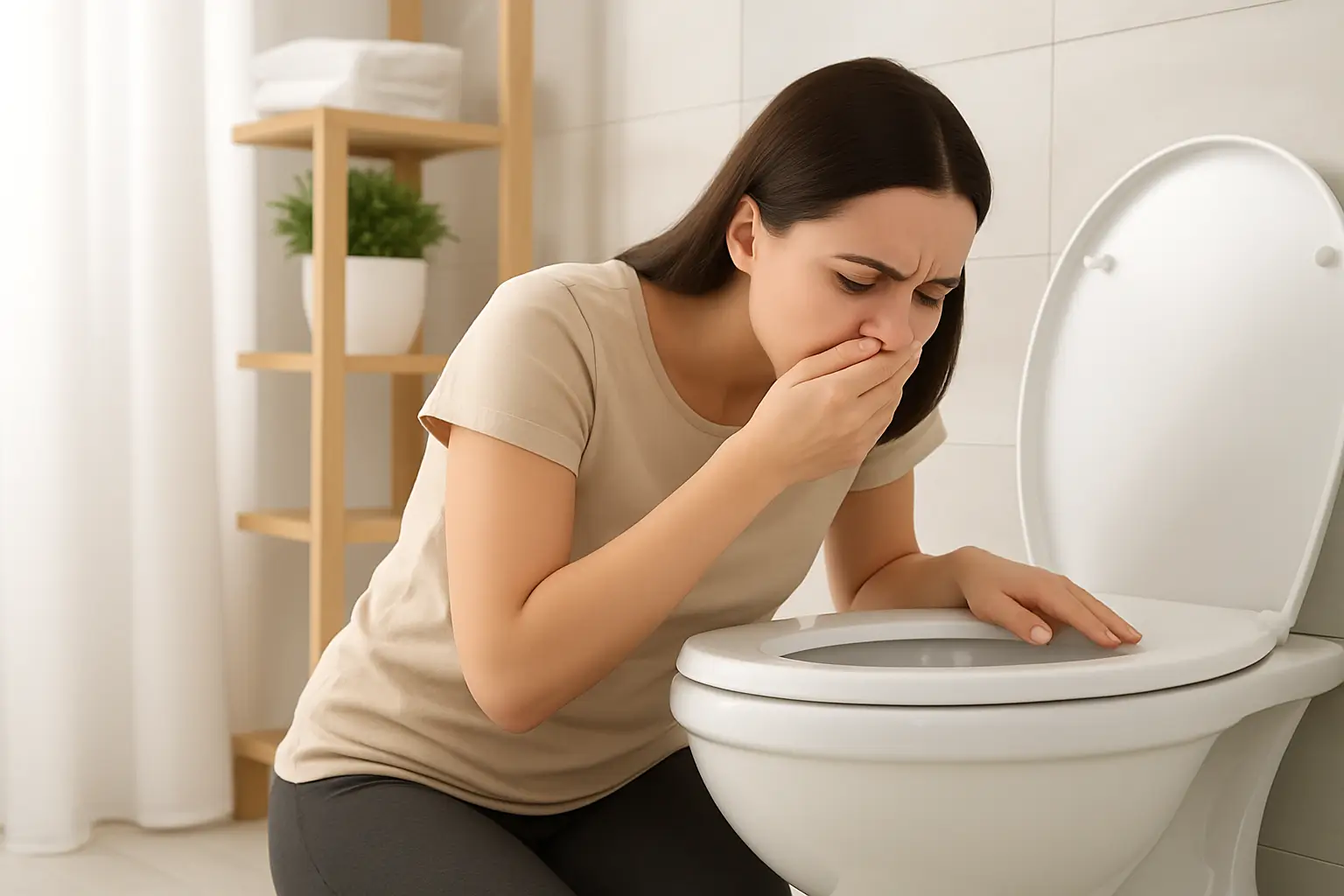
- Nausea
- Yellowing of the skin or eyes (jaundice, less common)
Not every stomach ache is from the gallbladder — but if you notice repeated discomfort after meals, it’s worth visiting your doctor.
Simple steps that may help
1. Pace your weight loss
Rapid drops in weight can sometimes raise the chance of gallstones. Steady, gradual progress may be gentler on your gallbladder.
2. Choose balanced meals
A mix of lean protein, fiber, fruits, vegetables, and healthy fats may support digestion. Limiting very fatty or greasy meals can reduce gallbladder stress.
3. Keep moving
Regular physical activity may support digestion and overall gallbladder health. Even light daily exercise like walking can be beneficial.
4. Don’t ignore warning signs
If you have repeated abdominal pain, especially after meals, or notice yellowing of the skin or eyes, check in with your doctor right away.
The bottom line
Gallbladder issues can happen to some people on GLP-1 or GIP/GLP-1 medicines. However, by pacing your progress, eating balanced meals, and listening to your body, you can reduce discomfort and know when it’s time to seek medical advice.