
A Clearer View: What You Should Know About GLP-1 Medications and Eye Health
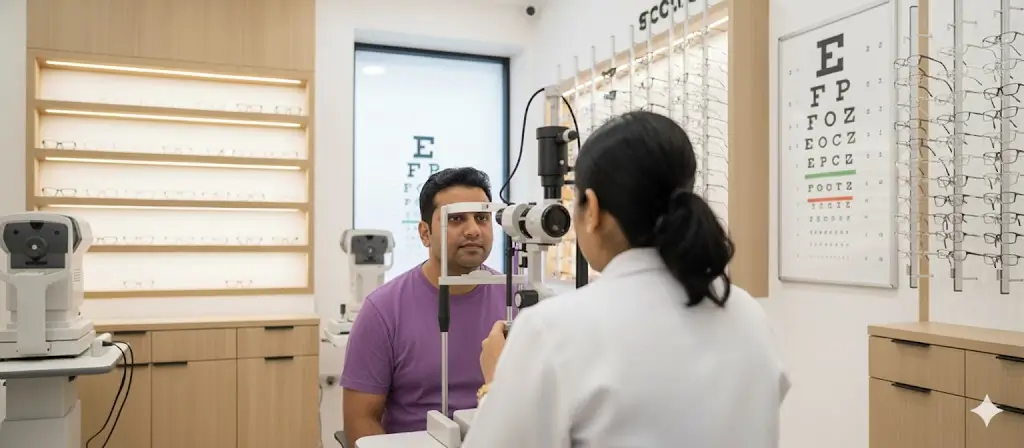
For many people, GIP/GLP-1 medications are a significant tool in their health journey, helping with weight management. As more people use these treatments, it's natural to have questions about their full-body impact, including on vision. While these are widely considered safe and effective, some research has explored a potential link between them and certain eye health conditions.
Why eye changes may occur
GIP/GLP-1 receptor agonists (such as tirzepatide) act on hormone pathways to reduce appetite and assist with weight loss. But because the eye is a vascular, delicate structure, shifts in blood flow or metabolic balance might influence its tissues. Some evidence points to risk for worsening of diabetic retinopathy in users who already have that condition, perhaps tied to relatively rapid improvements in metabolic markers.
Moreover, some reports link GIP/GLP-1 medication use with nonarteritic anterior ischemic optic neuropathy (NAION), a condition involving decreased blood flow to the optic nerve, which may lead to sudden vision loss in one eye.
Importantly, none of these findings prove that weight management medication causes eye damage in most people, but they raise caution, particularly for those already at risk.
Practical steps & caution
- Before starting a GIP/GLP-1 therapy (especially in people with diabetes or known eye disease), if you have any existing eye issues or vision changes, make sure to inform your doctor so they can guide you on the need for an eye examination.
- Continue regular eye follow-ups (e.g. annually or more often if risk factors exist)
- At the first sign of visual change, such as blurring or distortion, seek eye evaluation promptly
- Maintain good vascular health (control of blood pressure, glucose, cholesterol, avoiding smoking) and general healthy habits like wearing protective eyewear and going for regular checkups
In summary
While the vast majority of users do not develop serious vision complications, current evidence suggests that in some individuals, especially those with prior retinal or optic nerve vulnerability, GIP/GLP-1 therapies may be linked with eye changes. Close monitoring from the start, open communication with eye care providers, and swift evaluation of any visual symptoms help provide balance: benefiting from the therapy while protecting eye health.