

Hypoglycemia: How Low Is Too Low?
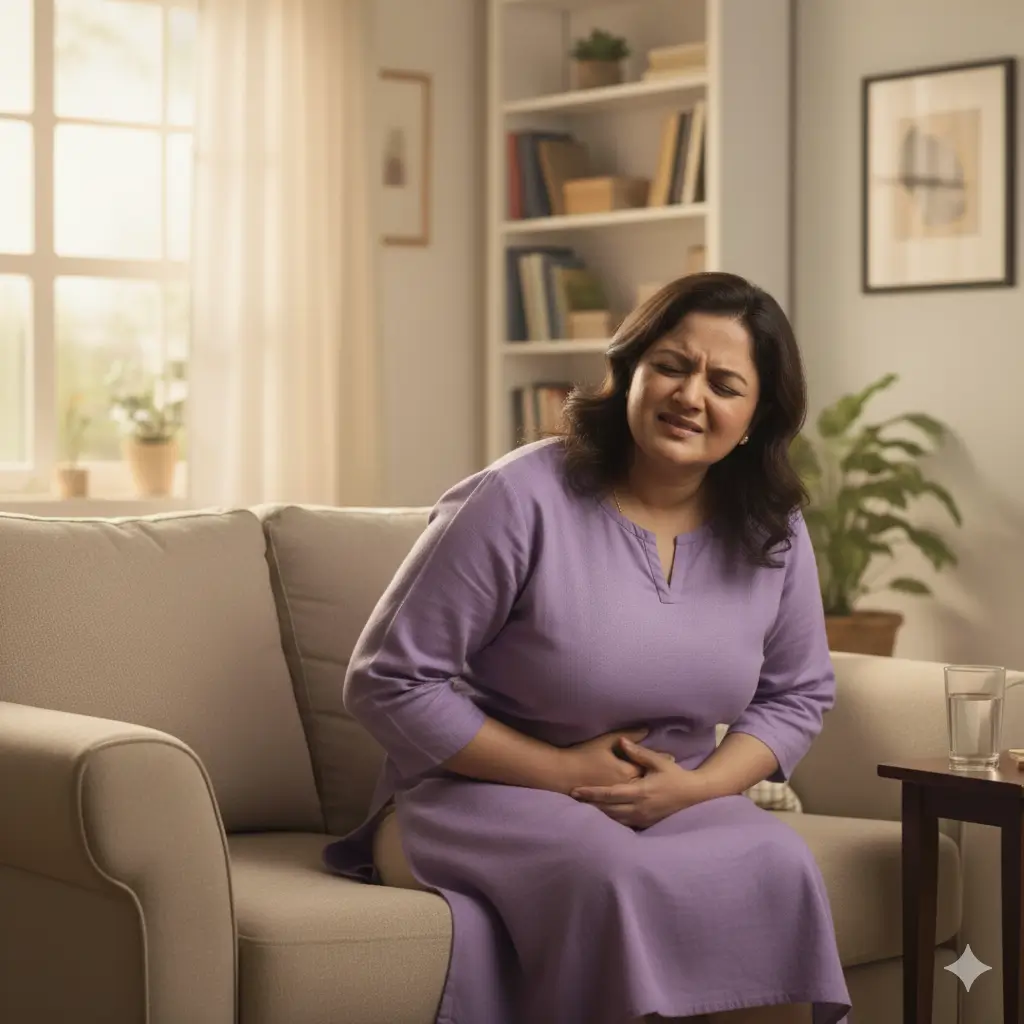
Low blood glucose, also called hypoglycaemia, can feel unsettling — often comprising dizziness, shakiness, or sudden sweating may catch you off guard. While GIP/GLP-1 agonists like tirzepatide are unlikely to cause hypoglycaemia on their own, the chance may rise when they’re combined with other diabetes treatments (if prescribed) like insulin. Understanding what to watch for, and how to respond, can make all the difference.
Signs to watch out for
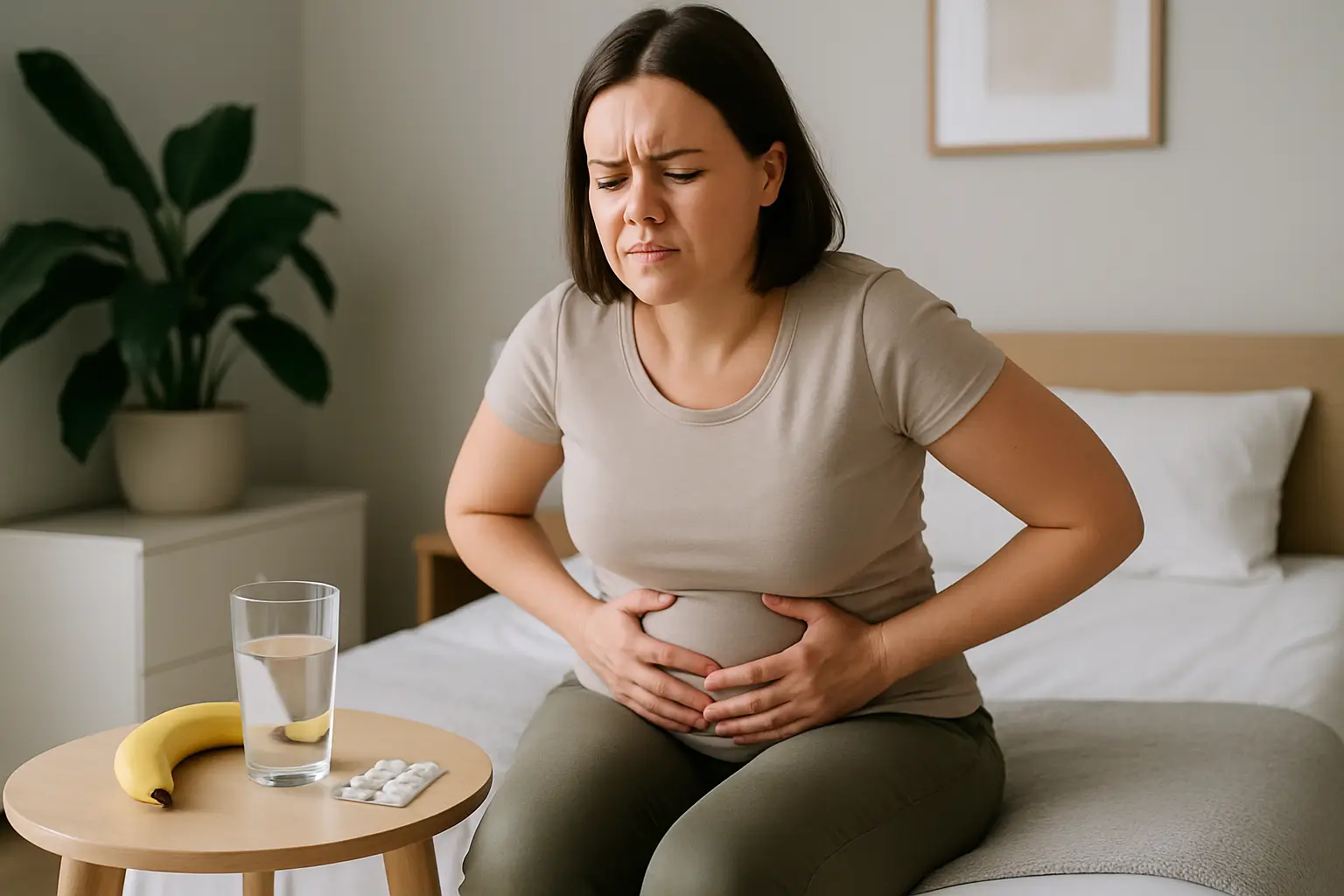
Common warning signs of low blood glucose may include:
- Dizziness or light-headedness
- Shakiness or tremors
- Sweating, even when it’s not hot
- Sudden hunger or irritability
If left untreated, hypoglycaemia can become serious. That’s why recognizing early signs and having a plan is so important.
Simple ways to lower your risk
1. Keep quick sugar handy
Glucose tablets, juice boxes, or even a few pieces of hard candy can quickly bring your levels back up if they drop.
2. Don’t skip meals
Eating regular meals and snacks helps maintain balance. Remember to fuel up before and after exercise as well.
3. Stay connected with your healthcare team
If you notice frequent dips in your glucose, your prescriber may need to adjust your medications.
4. Monitor regularly
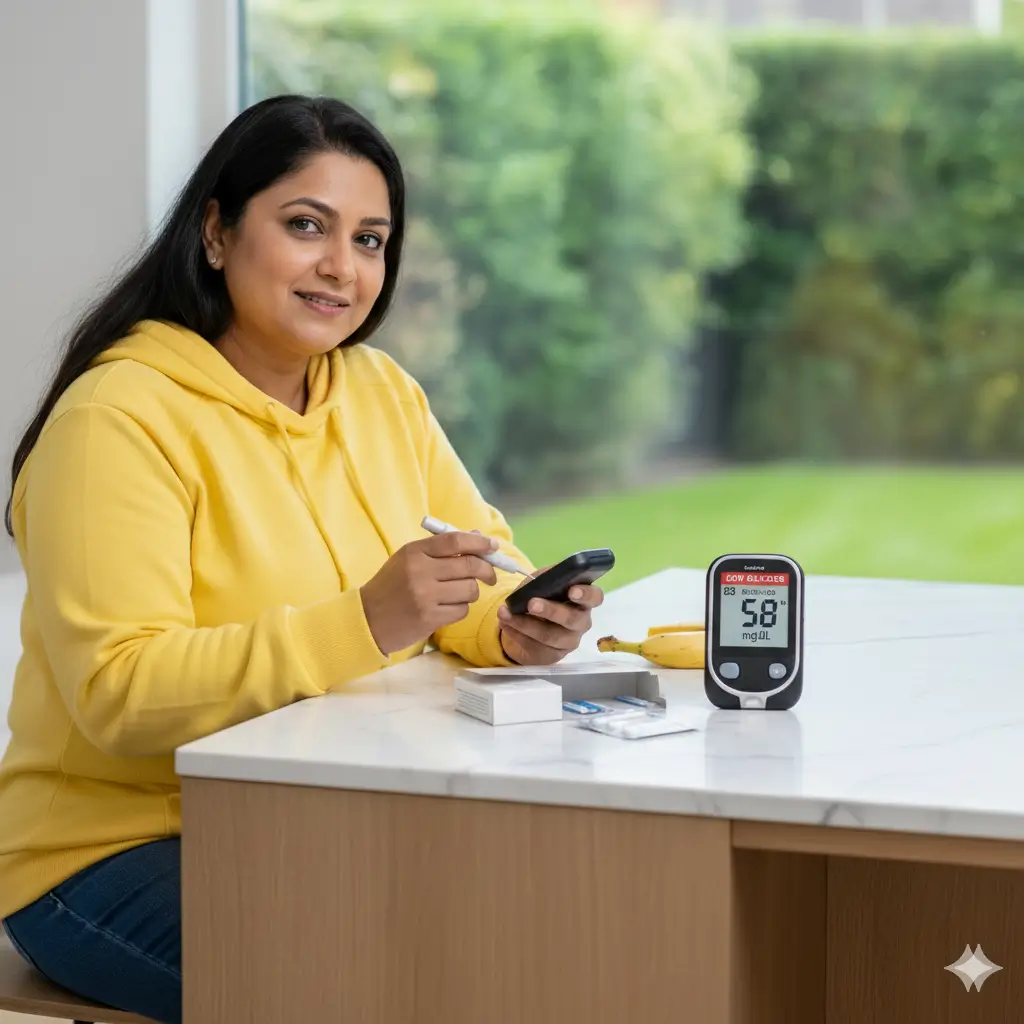
Whether you use a glucometer or a continuous glucose monitor, checking your glucose helps catch drops early and confirm low readings.
Conclusion
Hypoglycaemia may be uncommon with your weight management medication alone, but it’s something to keep in mind if you’re on multiple therapies especially certain glucose lowering drugs. Knowing the symptoms, keeping quick sugar increasing sources with you, and monitoring regularly can help you manage dips safely. If you’re unsure about what you’re experiencing, it’s always best to check in with your healthcare provider.