

Kidney Problems from Dehydration: What to Know

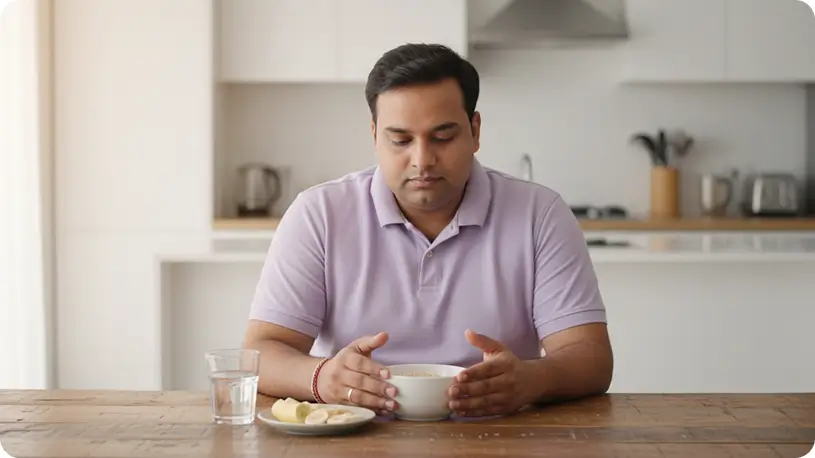
When you begin a GLP-1 or GIP/GLP-1 treatment for weight management, your digestion may feel different at first. For some people, this shows up as nausea, loose motions, or occasional vomiting.
While these usually improve as the body adjusts, they can sometimes result in dehydration — and that’s something to watch out for, because dehydration can put extra stress on the kidneys.
The kidneys act like natural filters, clearing waste and balancing fluids in the body. When you don’t drink enough or lose more water than you take in, these filters don’t work as smoothly, which can lead to problems over time.
Why dehydration matters
Even mild dehydration can make you feel weak, dizzy, or give you a headache. If it continues, it may reduce how well the kidneys do their job. People on GIP/GLP-1 medicines like tirzepatide may feel this risk more if vomiting or diarrhea sets in, especially during the early weeks or after a dose increase.
That said, the body often recovers with simple measures, but staying alert to early signs of dehydration can help prevent complications.
Here are a few practical ways to stay hydrated and support kidney health. Please note, every individual is different, so it’s always best to undertake any of these measures under the supervision of your doctor.
Simple ways to stay hydrated
1. Drink water as recommended
Carry a bottle with you and sip.
2. Include Indian fluids you enjoy
Buttermilk (chaas), coconut water, lemon water, clear soups, and fresh fruits with high water content (like watermelon, orange, or cucumber) can all help restore fluids.
3. Watch your tea and coffee intake
One or two cups are fine, but too much caffeine can make you lose fluids faster. Balance it with plain water.
4. Rehydrate after loose motion
If you’ve had vomiting or diarrhea, an oral rehydration solution (ORS) or homemade lemon water (nimbu paani) with a pinch of salt and sugar may help replace lost electrolytes.
5. Space out meals
Eating smaller portions more often may reduce the chances of nausea or indigestion, which in turn lowers fluid loss.
When to reach out to your doctor
Do visit your doctor if you notice:
- That you’re passing much less urine than usual
- Swelling in the feet or ankles
- Severe or ongoing vomiting/diarrhea
- Feeling very weak, confused, or unusually drowsy
Your doctor may suggest a check-up, blood tests, or adjustments to your treatment to protect your kidneys.
In conclusion
Dehydration can feel minor at first, but it may affect kidney health if ignored. By keeping a steady intake of water, enjoying local hydrating foods and drinks, and noticing early warning signs, you can support your kidneys and stay on track with your weight management goals.