

Nausea and Vomiting: Why It Happens and How to Find Relief
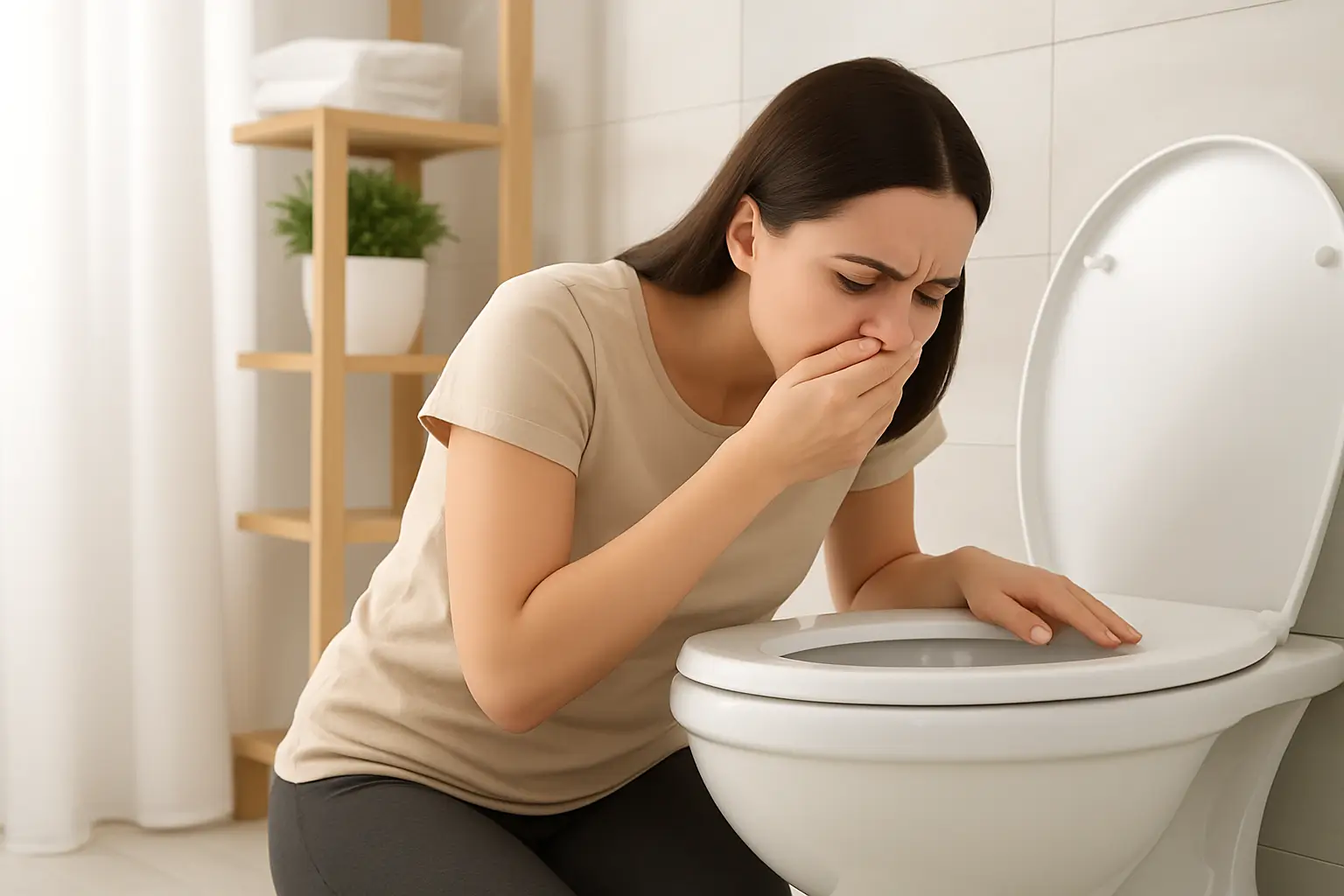
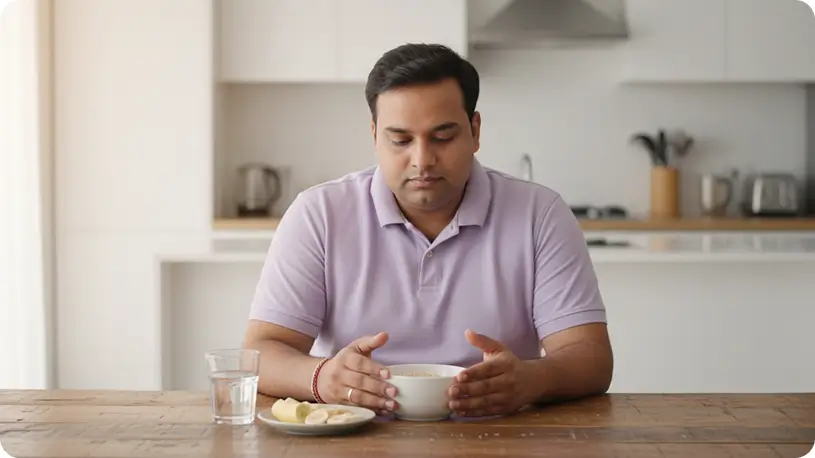
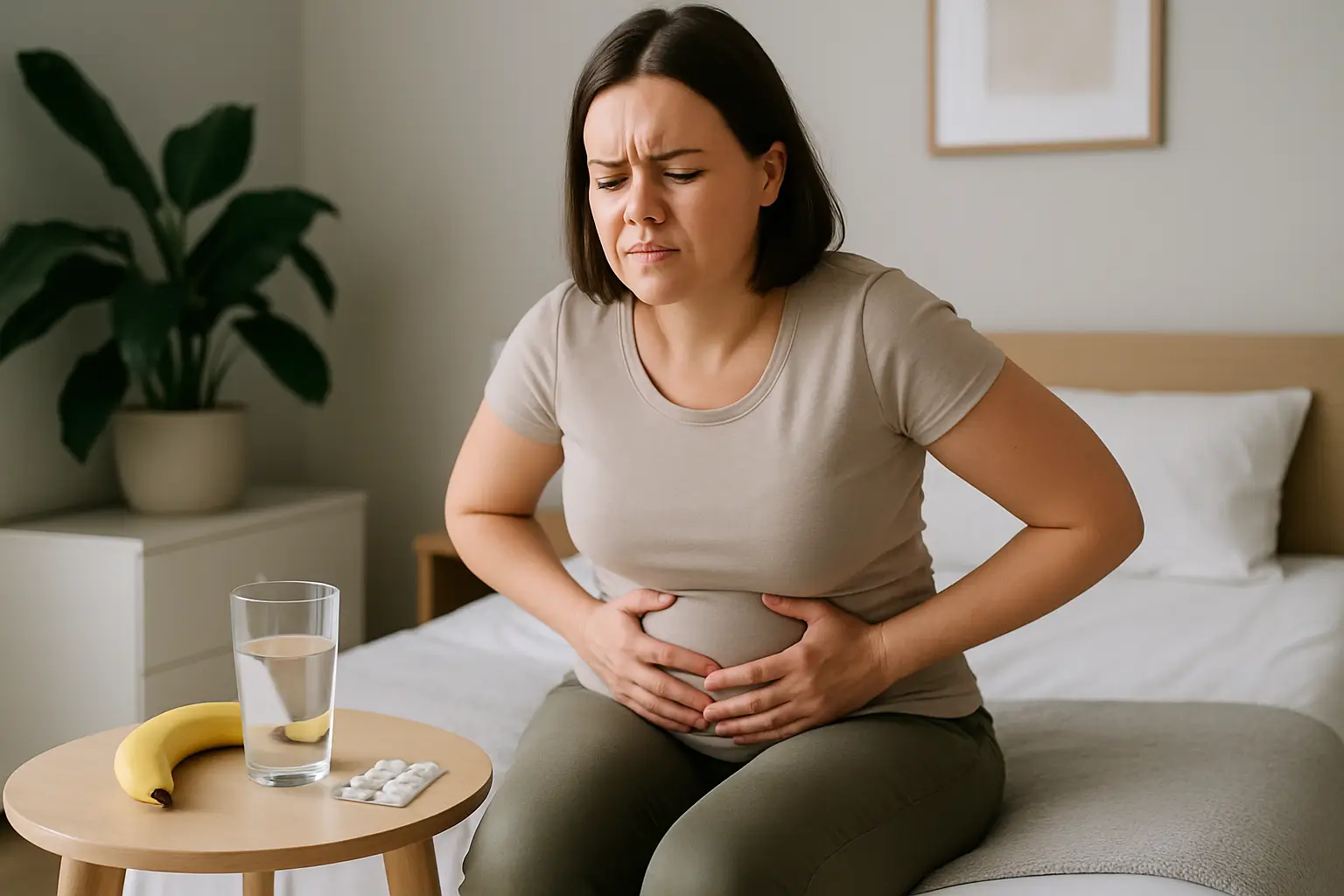
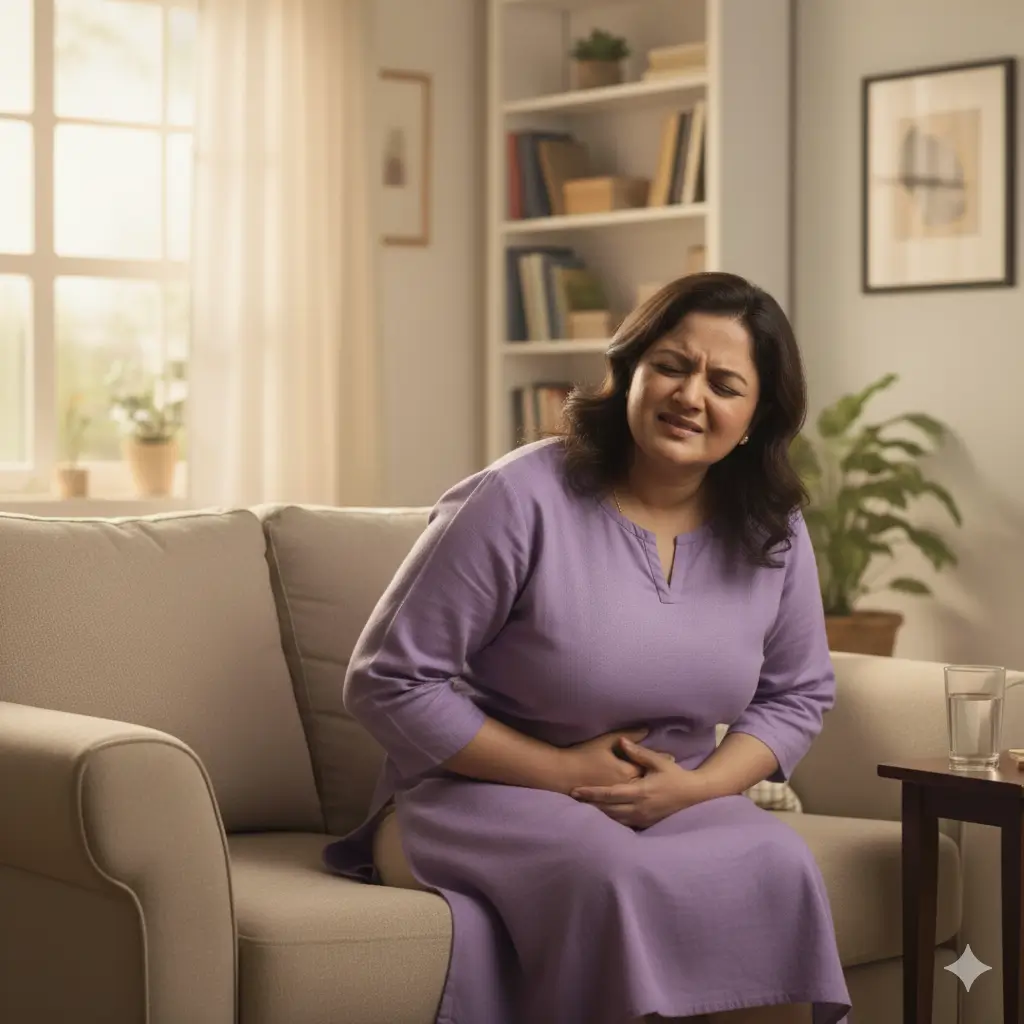
You’ve just started a new treatment to help with weight management. In the first week, your appetite feels different; you’re eating less, but sometimes you feel queasy after a meal. Maybe there’s a sudden wave of nausea when you eat too fast or too much.
This is a very common experience for people beginning GIP/GLP-1 medication. While this medication class is effective for weight management, your body may take a little time to adjust. The queasy feeling usually improves, and there are simple ways to make the transition smoother. This guide explains why nausea and vomiting happen with these medicines and how you can find relief.
Why Does It Happen?
Medications like tirzepatide are among the most effective tools for weight management. They work by slowing digestion, reducing hunger, and helping you feel full sooner.
But here’s the science:
- These medicines also interact with receptors in a part of the brain
- These regions are involved in signals that create the sensation of nausea
- That’s why many people: about 1 in 5, notice some queasiness, especially when the dose increases
For most, this response is temporary and subsides over time as the body adapts.
How to Feel Better:
1. Eat Smaller Meals
Because you may feel full more quickly, eating smaller meals spread through the day helps. Stop eating when you first feel satisfied instead of pushing through to finish everything on your plate.
2. Choose Gentle Foods
When queasiness sets in, foods that are light and easy to digest are your best friends. Think:
- Bananas
- Rice
- Plain toast or oatmeal
Keep heavy, greasy, or spicy meals for later once your body adjusts.
3. Stay Hydrated
Feeling unwell can sometimes make you forget to drink water. But hydration is important. Just ensure that you:
- Sip water throughout the day
- Take small sips if big gulps make you uncomfortable
- Add hydrating foods like cucumbers, watermelon, or soup to your diet
4. Notice and Avoid Triggers
Everyone’s body is different, but common foods and drinks that worsen queasiness include:
- Fried or fatty foods
- Strongly spiced meals
- Alcohol
- Fizzy, carbonated beverages
Pay attention to what makes you feel off and cut back where needed.
5. Stay Upright After Meals
Lying down right after eating can make nausea worse. Instead, stay upright; sitting or standing, for at least 30 minutes after a meal. Even a slow walk can help.
6. Gentle Home Remedies
Some simple options many people find useful are:
- Ginger (tea, chews, or capsules) to calm nausea
When to Reach Out for Support
Most queasiness improves in the initial weeks, but if you:
- Feel consistently unwell
- Struggle to continue with meals
Then it’s best to check in with your healthcare provider. They may adjust your dose or suggest additional strategies.
In Conclusion
Starting on GIP/GLP-1 medications often brings noticeable health benefits, but your body may need time to adjust. Queasiness or occasional vomiting is a common early experience, yet it usually settles as weeks go by.
By eating smaller meals, choosing lighter foods, staying hydrated, and avoiding personal triggers, you can ease the transition and continue benefiting from your treatment.